
Google News
Made by Google 2026: Pixel 11 Is a Gemini Phone First
Google announced the Pixel 11 lineup at Made by Google 2026, and the story isn't the hardware. It's Gemini, and it's the whole pitch.
 By Tony Simons 4 min read
Disclosure: This page may contain affiliate links; I may earn a commission at no extra cost to you. It never changes the verdict. Details

Disclosure
I may earn a commission from qualifying purchases. Opinions stay independent. Full disclosure
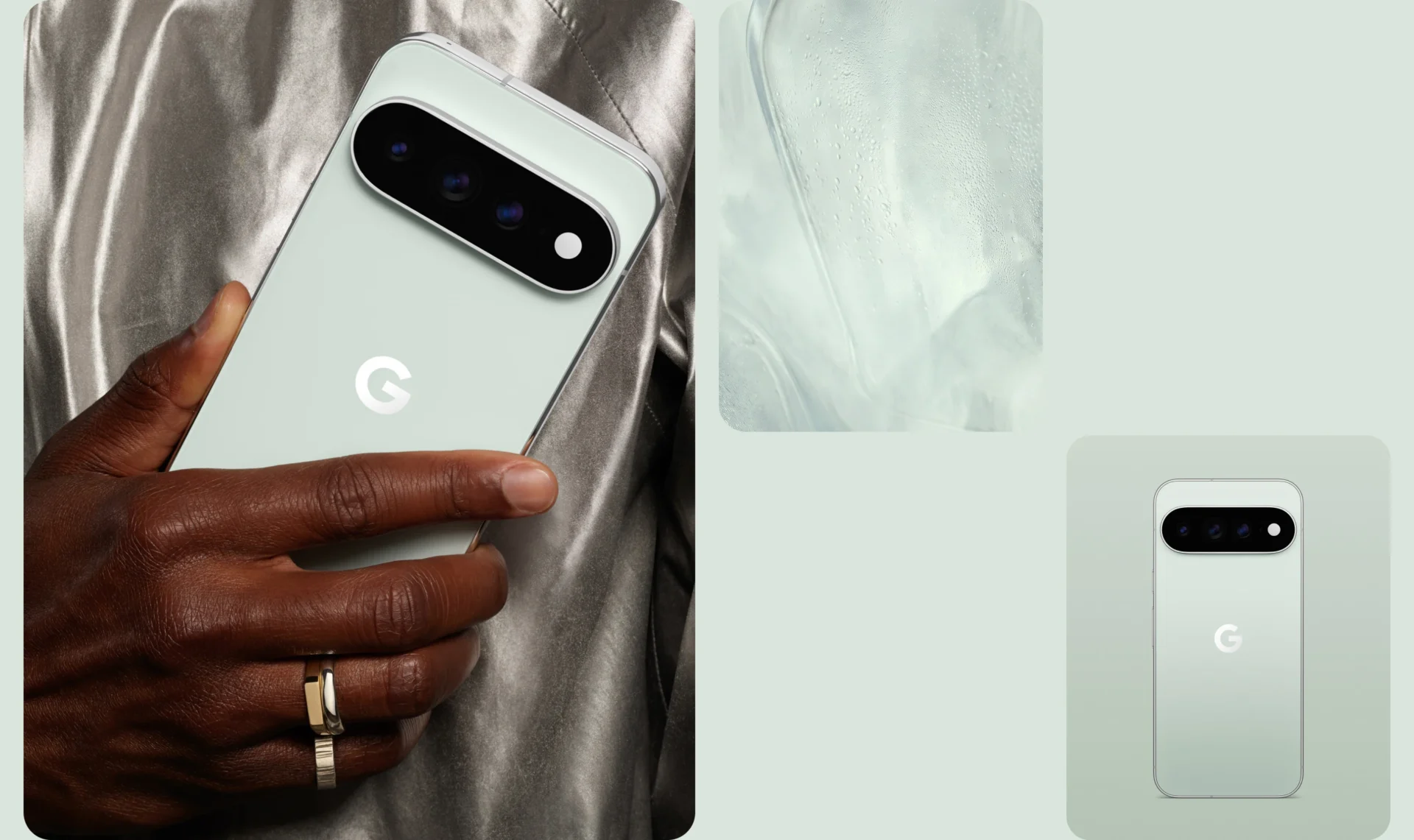
Google just wrapped Made by Google 2026, and the Pixel 11 lineup is live for pre-order today. Here’s the thing about this launch, though: the hardware is the least interesting part. The whole event was a Gemini showcase, and Google is being pretty open about it.
The new lineup includes the Pixel 11, the Pixel 11 Pro and Pro XL, the Pixel 11 Pro Fold, the Pixel Watch 5, the Pixel Tag, and updated Pixel Buds Pro 2. That’s a lot of devices, and the pricing starts with a familiar play: up to $600 back with an eligible trade-in on Pixel 11 Pro unlocked phones, plus your choice of $250 off the new Pixel Watch 5 or $200 in Google Store Credit. Pixel 11 Pro buyers get six months of Google AI Pro included, which Google values at $119.
Why Pixel 11 is really about Gemini
TechCrunch’s read of the event is that Google’s Pixel 11 lineup offers fewer hardware changes, but much more Gemini, and that’s the accurate framing. When a company ships a new flagship and the headline feature is the software baked into it, you’re not buying a phone anymore. You’re buying access to an AI model with a screen attached.
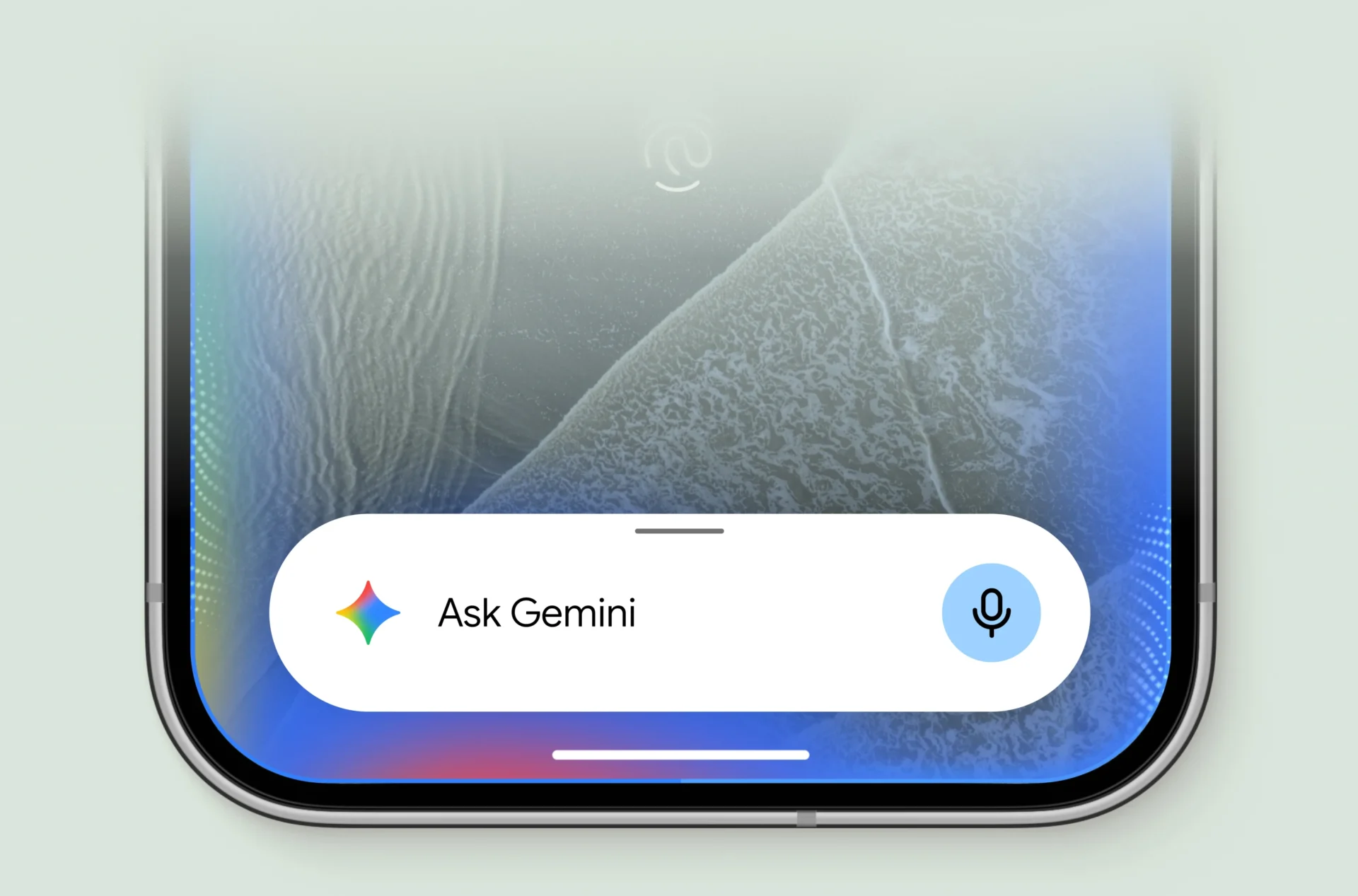
This story is the same bet behind the Gemini 3.6 Flash launch I covered back in July: Google believes the model is the product, and the hardware exists to serve it. That’s a coherent strategy, and it’s why the company keeps pushing Gemini features down into every corner of the device. The Verge’s own writeup framed the whole day the same way: all the Pixel news and announcements, with Gemini doing the heavy lifting.
The timing makes sense, too. Google’s Gemini app just crossed one billion monthly users, a milestone the company announced the day before the event. That’s a massive distribution base, and the lineup is Google’s way of putting Gemini in more places than just the app: on your wrist, clipped to your keys, and threaded through the phone itself.
The Pixel Tag is the new Airtag rival, and it rounds out an ecosystem play that’s clearly aimed at Apple’s accessory game. Tags are only useful when they work across a whole fleet of your devices, and Google now has the fleet.
What I keep noticing is how much of this event was about subscriptions rather than chips. Bundling six months of Google AI Pro into a premium phone is a way to get people into a paid plan, and the store is already pushing that value hard. The hardware gets you in the door, but the recurring AI spend is where the business lives now. That’s the quietest part of the announcement and probably the most important one.
The Pixel Watch 5 leans on AI health
Google unveiled the Pixel Watch 5 with a smarter Gemini and advanced health monitoring, and the details The Verge surfaced are worth reading: offline Gemini, proactive AI suggestions, better GPS maps, insulin resistance trends, and a $50 price hike. Offline Gemini on a watch is a genuinely useful idea, because it means the assistant keeps working when your phone isn’t nearby.
The insulin resistance tracking is the more interesting part, honestly. Wearables have spent years trying to prove they can do more than count steps, and health signals like that are where the category actually earns its price. The $50 bump is the tradeoff, and Google is betting AI features justify it.
The Pixel 11 takeaway
Here’s my take. Google is making the AI the upgrade, and that’s a risky but honest bet. Every Pixel Drop brings new features including the latest AI innovations, with Google promising that new-phone feeling for seven years. When software is the upgrade, the upgrade comes to old phones too, which means Google is competing with its own previous devices as much as with Apple and Samsung.
The gamble only pays off if Gemini is genuinely better than what the other guys ship, and that’s an open question. Google has the distribution, the models, and now the hardware lineup to make the case. But the thing I keep coming back to is how different this is from where Google stood a year ago.
There’s also a real risk hiding in that seven-year software promise. If the Pixel Drop model works, the difference between a two-year-old Pixel and a brand new one shrinks, and the upgrade cycle gets harder to justify with each passing year. Apple has leaned on the same trick with longer support windows, and it hasn’t killed iPhone sales yet, but Google’s entire pitch here is that the software, not the hardware, is the reason to buy. That’s a harder argument to sustain over time, because your old phone keeps getting better at the exact thing the new one is selling.
This launch isn’t a spec war, and Google isn’t pretending otherwise. It’s a statement that the phone business is an AI business now. Pre-orders open today, and the real test is whether Gemini sells phones the way cameras and screens used to.
Reviewed & written by
Tony Simons
Tony has a bachelor's degree from the University of Phoenix and over 14 years of writing experience between multiple publications in the tech, photography, lifestyle, and deal industries.