

TL;DR
- OpenAI is targeting Q1 2026 for a gated “adult mode” inside ChatGPT.
- The blocker isn’t horny prompts — it’s age prediction / verification that can keep teens out without locking adults out.
- This follows Sam Altman signaling more mature content for verified adults as age-gating rolls out more broadly.
What Happened
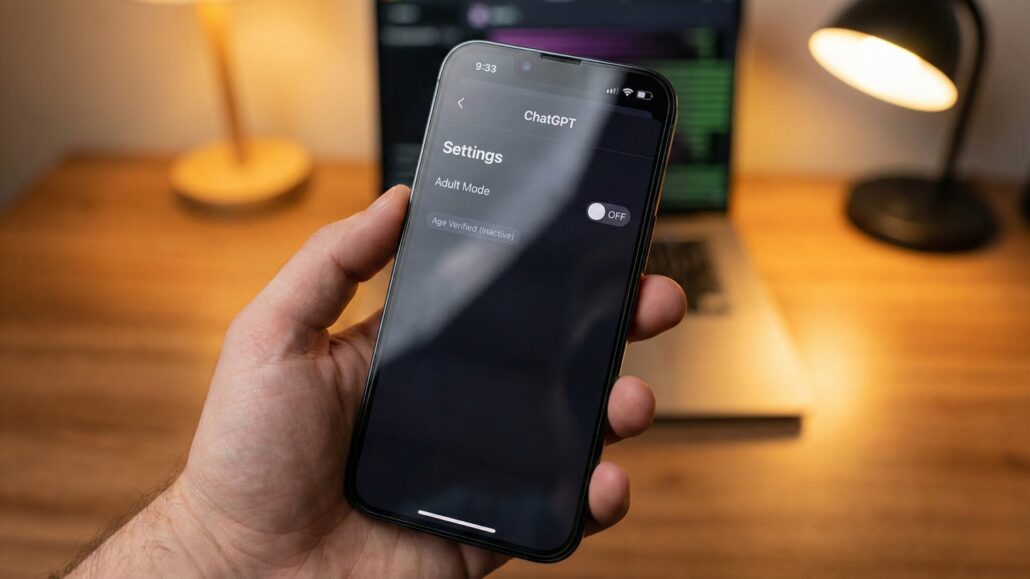
Fresh on the heels of the much-anticipated release of ChatGPT 5.2, OpenAI is reportedly planning an “adult mode” for ChatGPT, with a stated target of the first quarter of 2026. The push is being framed less as “let the bot get weird” and more as “separate adults from minors so the product can behave differently depending on who’s using it.”
In other words: OpenAI wants ChatGPT to stop feeling like it has to be the internet’s most cautious hall monitor 24/7 — but only if it can confidently keep minors out of whatever “adult mode” unlocks.
The Important Details
The Timeline
Here’s the simple version of the rollout OpenAI has been hinting at:
- Late 2025: More mature content starts becoming available for users who verify their age.
- Q1 2026: A clearer, productized “adult mode” is expected to show up inside ChatGPT.
That reads like: loosen the rules a bit behind age gates first, then ship a proper “mode” once the gates are good enough.
Age Prediction Comes First
OpenAI’s stated reasoning is straightforward: it wants to improve age prediction so it can reliably identify teen users and avoid misclassifying adults before it flips on adult features.
This matters because “adult mode” doesn’t work if it’s either:
- too lax (kids slip through), or
- too strict (adults get blocked or shoved into the “safer” experience).
If you’ve ever tried to buy an M-rated game on a platform that assumes you’re 12 until proven otherwise, you get the vibe.
What “Adult Mode” Is Supposed To Unlock
The internet hears “adult mode” and immediately translates it to “the chatbot will write erotica now.” That’s not coming out of nowhere — the chatter around this includes the idea of allowing more explicit sexual content for verified adults.
But the broader positioning is bigger than that. “Adult mode” is likely to mean more freedom and fewer blanket refusals for adults, paired with a separate, safer experience for minors.
Whether that’s mostly content policy, more permissive tone and language, fewer safety guardrails in certain categories, or some combination — that’s the part that still isn’t clearly defined.
Why It Matters
“Adult mode” isn’t just a content policy footnote. It’s a product direction.
If OpenAI can reliably separate adults from minors, it can run two different ChatGPT experiences under one roof: one tuned for stricter safety defaults, and one that stops treating every user like a potential middle-schooler trying to jailbreak filters.
It also drops OpenAI directly into the messy middle of age verification debates. Make the check strict, and users hate it. Make it easy, and it’s leaky. Either way, the company gets judged on the outcomes — not the intentions.
Tony’s Take
“Adult mode” is one of those ideas that sounds simple until you remember the internet is full of motivated weirdos and kids with unlimited time.
If OpenAI actually nails age gating, great: adults get fewer false refusals, minors get a safer default, and the product can stop pretending one-size-fits-all safety is a satisfying long-term plan.
But age verification is famously annoying when it’s strict and famously leaky when it’s convenient. So the real story isn’t “ChatGPT might get spicier.” It’s whether OpenAI can build a system that’s both effective and not a UX dumpster fire.
Also: if “adult mode” ends up being a stealth vehicle for deeper personalization and “relationship-y” vibes, OpenAI needs to be careful about how it frames that. Let people opt into tone, sure — just don’t pretend emotional attachment is a harmless preference toggle. That problem is not solved.
What To Watch Next
- What counts as “adult” in practice: Is it strictly content restrictions, or also tone/personality rules?
- How you prove you’re an adult: age prediction alone, ID checks, payment methods, or a mix — and what regions get what.
- How this is surfaced in the UI: a toggle, a separate profile, or a behind-the-scenes policy shift most people never notice.
Bottom line: the most important “adult mode” feature isn’t the content — it’s the gate. If the gate sucks, the mode doesn’t matter.


