

Update, May 2026: Sora did not become the long-running Disney fan-video playground this deal seemed to promise. OpenAI says the Sora web and app experiences were discontinued on April 26, 2026, and the Sora API is scheduled to be discontinued on September 24, 2026. That changes the story. The Disney-OpenAI deal is no longer a simple blueprint for the future of licensed AI video. It is now a case study in how hard that future is to build.
The Disney-Sora deal looked like a creative truce. Sora’s shutdown made it a warning sign.
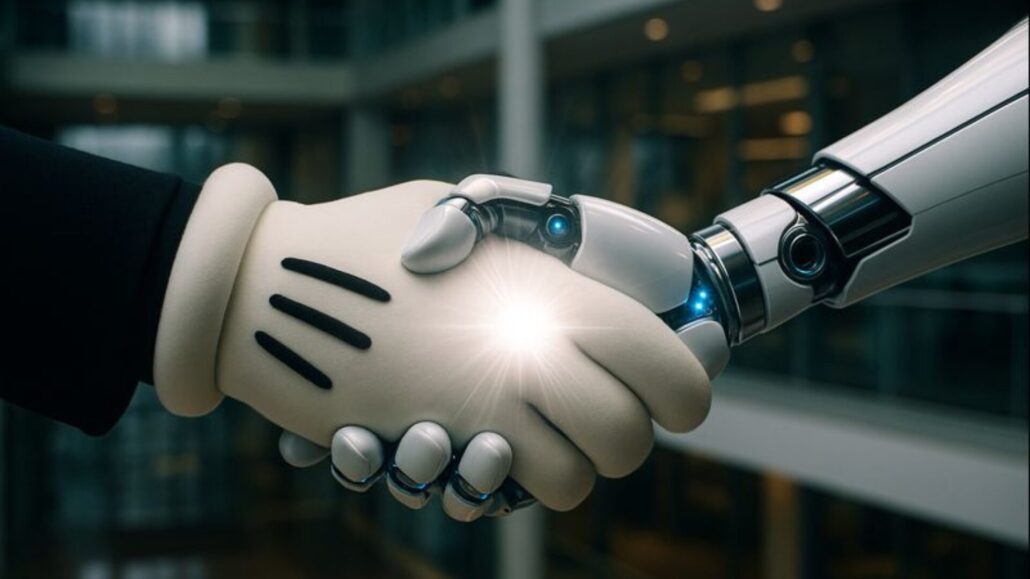
When Disney announced a $1 billion investment in OpenAI and a plan to bring more than 200 Disney, Pixar, Marvel, and Star Wars characters into Sora, it felt like a turning point. Instead of every AI company, studio, artist, and fan fighting in the copyright mud, here was a cleaner idea: licensed characters, approved use, clear rules, and maybe even a real path for fan-made AI video.
At the time, I thought that mattered. I still do. But the ending got messier than the pitch.
OpenAI has now discontinued the Sora web and app experience, with the API on a sunset timeline. So the better question is no longer “did Disney betray artists by working with OpenAI?” It is this: why did one of the most expensive, high-profile attempts at licensed consumer AI video fall apart so quickly?
What changed since the original deal?
The original Disney-OpenAI announcement framed the partnership as a three-year licensing agreement that would let fans create short, user-prompted Sora videos using a curated selection of Disney-owned characters and assets. It also included Disney’s planned $1 billion equity investment in OpenAI.
That was the optimistic version: OpenAI gets culturally famous IP, Disney gets a controlled AI sandbox, and users get a legal way to make fan-inspired short videos without drifting into bootleg deepfake territory.
Then Sora got discontinued. According to OpenAI’s Sora discontinuation notice, the web and app experiences ended on April 26, 2026, and the API is scheduled to end on September 24, 2026. That does not mean AI video is dead. It does mean this specific Sora-centered Disney experiment did not become the durable product ecosystem the announcement suggested.
The original idea was still important
The reason the Disney-Sora deal mattered was not just Mickey Mouse in a prompt box. It was the idea of authorized synthesis: AI-generated content built around licensed assets instead of scraped ambiguity.
For years, the AI copyright debate has been stuck in the same loop. AI companies argue fair use. Artists argue theft. Studios want the speed and novelty of generative tools, but they also do not want to poison their own IP wells. A licensed model marketplace offered a cleaner compromise.
In theory, Disney could say: here are the characters, props, voices, styles, and rules you are allowed to use. OpenAI could enforce those boundaries in the product. Fans could make things without pretending copyright does not exist. Creators and rights holders could negotiate from a contract instead of a lawsuit.
That is still the most realistic path for mainstream AI entertainment. The Sora shutdown did not invalidate that idea. It exposed how difficult the execution is.
Why Sora’s shutdown changes the takeaway
When this article first ran, the Disney deal looked like the end of the AI video “Wild West.” Now it looks more like the first failed attempt to fence it in.
Consumer AI video has brutal economics. Video generation is expensive, moderation is hard, copyright boundaries are messy, and the product has to be fun enough for normal people to use more than once. Sora had the brand, the wow factor, and at least one huge media partner. That still was not enough to make the standalone product last.
That matters for every other studio watching from the sidelines. If Disney and OpenAI could not turn this into a stable consumer product, Nintendo, Warner Bros., Universal, Netflix, and the celebrity estates are going to be even more cautious before opening their libraries to user-prompted video generation.
The creator problem did not go away
The shutdown also leaves independent creators in an awkward place. The legal grey zone is still there. Fan films, parody clips, deepfakes, AI trailers, and remix culture are not going away just because one product shut down.
That is the uncomfortable part. If licensed AI video products fail, the demand does not disappear. It just moves back into unofficial tools, open models, private workflows, and platforms with looser guardrails. That is worse for rights holders and worse for creators who want clear rules.
So even after Sora, the core question remains: can the entertainment industry build legal, fun, useful AI creation tools before unofficial ones become the default?
What the Disney-Sora deal teaches us now
The Disney-Sora deal was not a betrayal, but it was not the neat creative truce I hoped it might be either.
It was a test. A big, flashy, expensive test of whether a major studio and a major AI lab could turn licensed characters into a consumer AI video ecosystem. The answer, at least for Sora, appears to be no.
But the underlying blueprint is not gone. Future AI video tools will still need licensed assets, opt-in creator programs, attribution, revenue-sharing, strong likeness controls, and distribution rules that do not make studios panic. The next version may not be called Sora. It may not even come from OpenAI. But if AI video ever becomes a normal part of entertainment, it will probably look more like a licensed marketplace than a free-for-all prompt box.
That is the real lesson. The Wild West did not end. The first attempt at building a walled garden just closed early.


